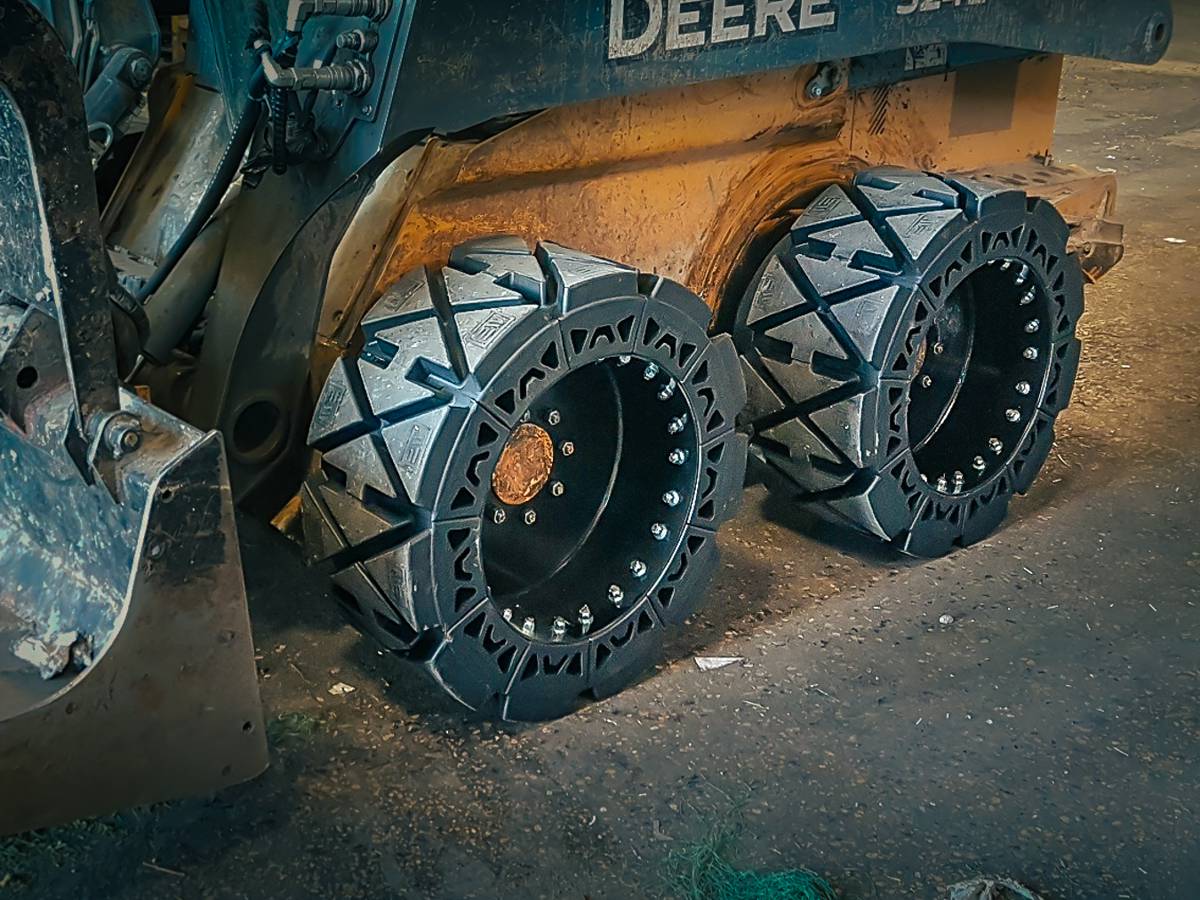
Skid steer loaders are versatile machines used in various industries, including construction, agriculture, and landscaping. The solid tires on these machines play a crucial role in their performance, offering durability and stability across different terrains. Unlike pneumatic tires, solid tires are designed to resist punctures and provide a longer lifespan, reducing the need for frequent replacements. However, maintaining these tires is essential to ensure optimal performance and extend their service life. This article explores several tips for maintaining skid steer solid tires to maximize their efficiency and longevity.
Regular Inspection
Conducting regular inspections of skid steer solid tires is vital for identifying any potential issues before they escalate into costly repairs or replacements. Here are some key points to consider during inspections:
- Check for signs of wear and tear, including cracks, cuts, or uneven tread patterns.
- Inspect the tire sidewalls for any damage or deformities.
- Ensure that the tires are properly mounted and securely attached to the wheel rims.
- Look for any embedded debris that could affect the tire’s performance.
For a comprehensive understanding of tire inspection processes, read more about this topic.
Proper Cleaning and Maintenance
Keeping skid steer solid tires clean is crucial in maintaining their performance and preventing premature wear. Here are some tips for effective cleaning and maintenance:
- Regularly wash the tires to remove dirt, mud, and debris that can accumulate during operation.
- Use a mild detergent and a soft brush to scrub the tires, avoiding harsh chemicals that may degrade the rubber.
- After cleaning, inspect the tires for any hidden damage that may have been obscured by dirt.
- Ensure the wheel rims are also cleaned to prevent rust and corrosion, which can compromise the tire’s attachment.
Explore further insights here on effective cleaning techniques.
Monitoring Tire Wear
Understanding Tread Patterns
The tread pattern of skid steer solid tires plays a critical role in their grip and traction capabilities. Monitoring tread wear is essential to ensure that the tires maintain their effectiveness:
- Check the tread depth regularly to ensure it meets the manufacturer’s recommended specifications.
- Be aware of any uneven tread wear, which could indicate issues with alignment or suspension.
- Replace tires when the tread reaches the minimum depth to maintain safety and performance.
For more detailed information on monitoring tire wear, find additional information here.
Ensuring Proper Tire Alignment
Misalignment of skid steer tires can lead to uneven wear and decreased performance. Ensuring proper alignment is therefore crucial:
- Regularly check the alignment of the tires and adjust them as needed.
- Be aware of any pulling or drifting during operation, which can indicate alignment issues.
- Consult a professional technician if alignment problems persist after adjustments.
Learn more in this detailed guide on tire alignment here.
Optimizing Tire Pressure
While solid tires do not require air pressure adjustments like pneumatic tires, maintaining optimal load balance is essential. Consider the following points:
- Ensure that the load on the skid steer is evenly distributed to prevent excessive stress on certain tires.
- Avoid overloading the machine, as this can lead to premature tire wear and potential damage.
- Regularly verify the load specifications and adhere to the manufacturer’s guidelines.
Read more about load management and its impact on tire performance here.
By following these tips for maintaining skid steer solid tires, operators can ensure their machinery performs optimally on the job site. Regular inspection, proper cleaning, monitoring of wear and alignment, and maintaining a balanced load are key factors in extending the life of these essential components. For more tips and insights on skid steer tire maintenance, explore further insights here.
About the Author