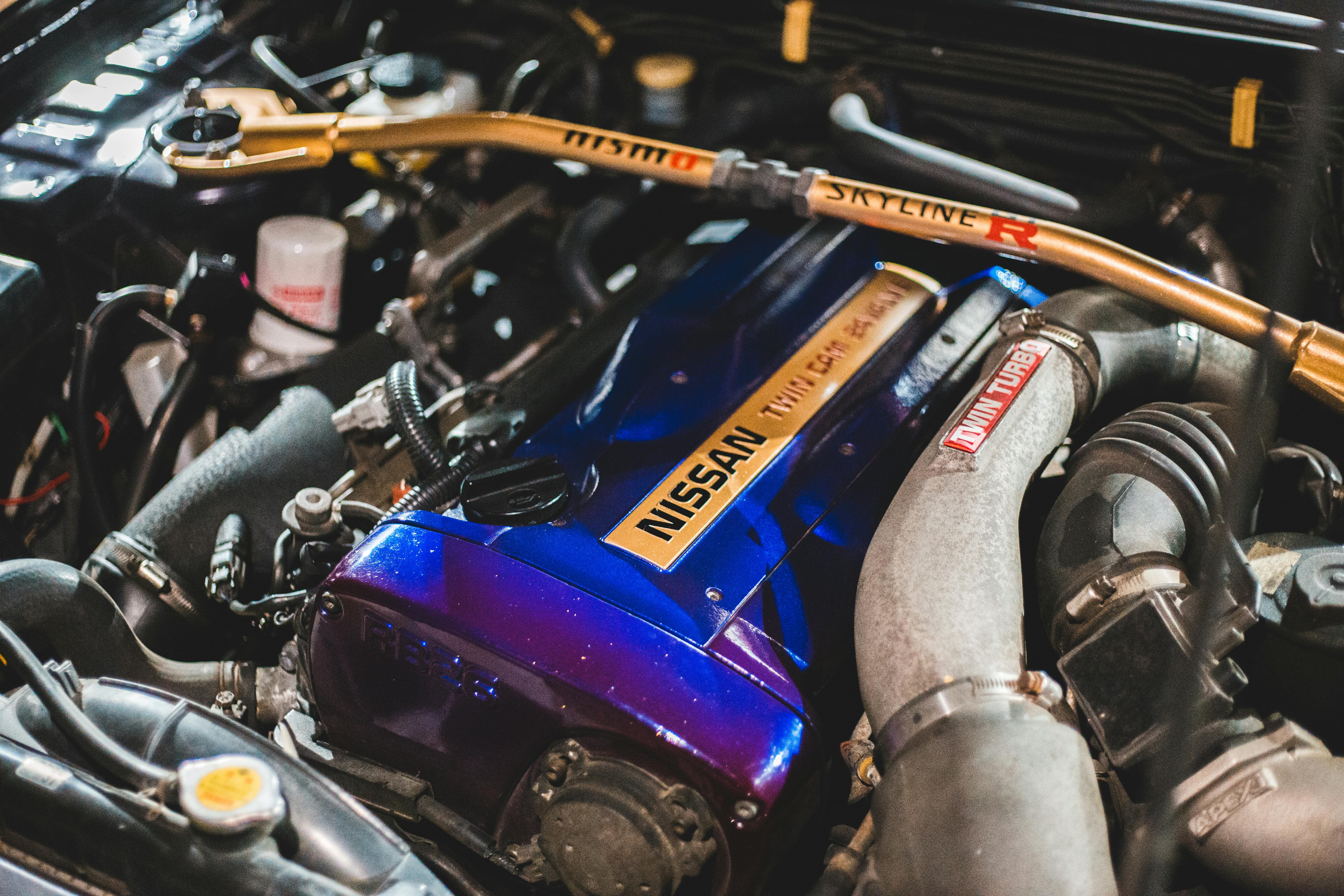
In the world of automotive performance, mechanical tuning stands as a pivotal discipline. It is the art and science of optimizing vehicle components to achieve maximum power and efficiency. For enthusiasts and professionals alike, understanding the intricacies of mechanical tuning is crucial to unlocking a vehicle’s full potential. This article delves into the methods and benefits of mechanical tuning, offering insights into how each component plays a role in improving vehicle performance.
The Fundamentals of Mechanical Tuning
Mechanical tuning involves a range of modifications, each targeting different aspects of a vehicle’s engine and drivetrain. The goal is to enhance performance, improve fuel efficiency, and ensure reliability. Here are the core components that typically undergo tuning:
- Engine Modification: Altering the engine’s internal components, such as pistons, camshafts, and crankshafts, can significantly increase power output.
- Exhaust Systems: Upgrading exhaust systems to reduce backpressure can improve engine efficiency and horsepower.
- Intake Systems: Enhancing air intake systems allows for better air flow, resulting in improved combustion and power.
- Transmission Adjustments: Fine-tuning transmission components ensures the optimal transfer of power from the engine to the wheels.
For those seeking to delve deeper into these modifications, it is essential to explore advanced guides and tips on each component’s role within the system.
Benefits of Mechanical Tuning
Mechanical tuning offers numerous advantages, including:
- Increased Power: By optimizing engine performance, vehicles can achieve higher horsepower and torque.
- Enhanced Efficiency: Tuning can lead to better fuel economy by optimizing air-fuel mixtures and improving combustion efficiency.
- Improved Reliability: Proper tuning ensures that components work harmoniously, reducing the likelihood of mechanical failures.
- Personalization: Tuning allows for customization according to driver preferences and specific performance goals.
For those interested in achieving these benefits, it is advisable to find out more about this approach.
Key Considerations in Mechanical Tuning
Understanding the Vehicle’s Baseline
A comprehensive understanding of a vehicle’s baseline performance is essential before making any modifications. This includes:
- Assessing Current Performance: Understanding the vehicle’s current power output, efficiency, and reliability.
- Identifying Goals: Clearly defining what performance improvements are desired.
For those seeking to precisely tailor their tuning strategy, learn about our tailored solutions to achieve optimal results.
Selecting the Right Components
Choosing the appropriate parts is vital to successful tuning. Considerations include:
- Quality of Components: Opting for high-quality parts ensures longevity and performance gains.
- Compatibility: Ensuring selected components work well together and with the existing vehicle setup.
To make informed decisions, drivers can discover expert strategies here.
Professional Guidance and Support
While some enthusiasts may choose to embark on tuning projects independently, professional guidance can provide significant advantages. Experienced technicians offer:
- Expert Analysis: Professional assessments can identify potential issues and recommend the most effective tuning strategies.
- Precision Installation: Ensuring parts are installed correctly to avoid future complications.
- Ongoing Support: Access to continued advice and maintenance tips to sustain performance improvements.
To obtain professional insights, consider engaging with specialists who can explore advanced guides and tips for comprehensive tuning solutions.
In conclusion, mechanical tuning is an invaluable process for those seeking to enhance their vehicle’s performance and efficiency. Through careful planning, component selection, and expert guidance, drivers can transform their vehicles into finely tuned machines capable of delivering exhilarating performance.
About the Author


