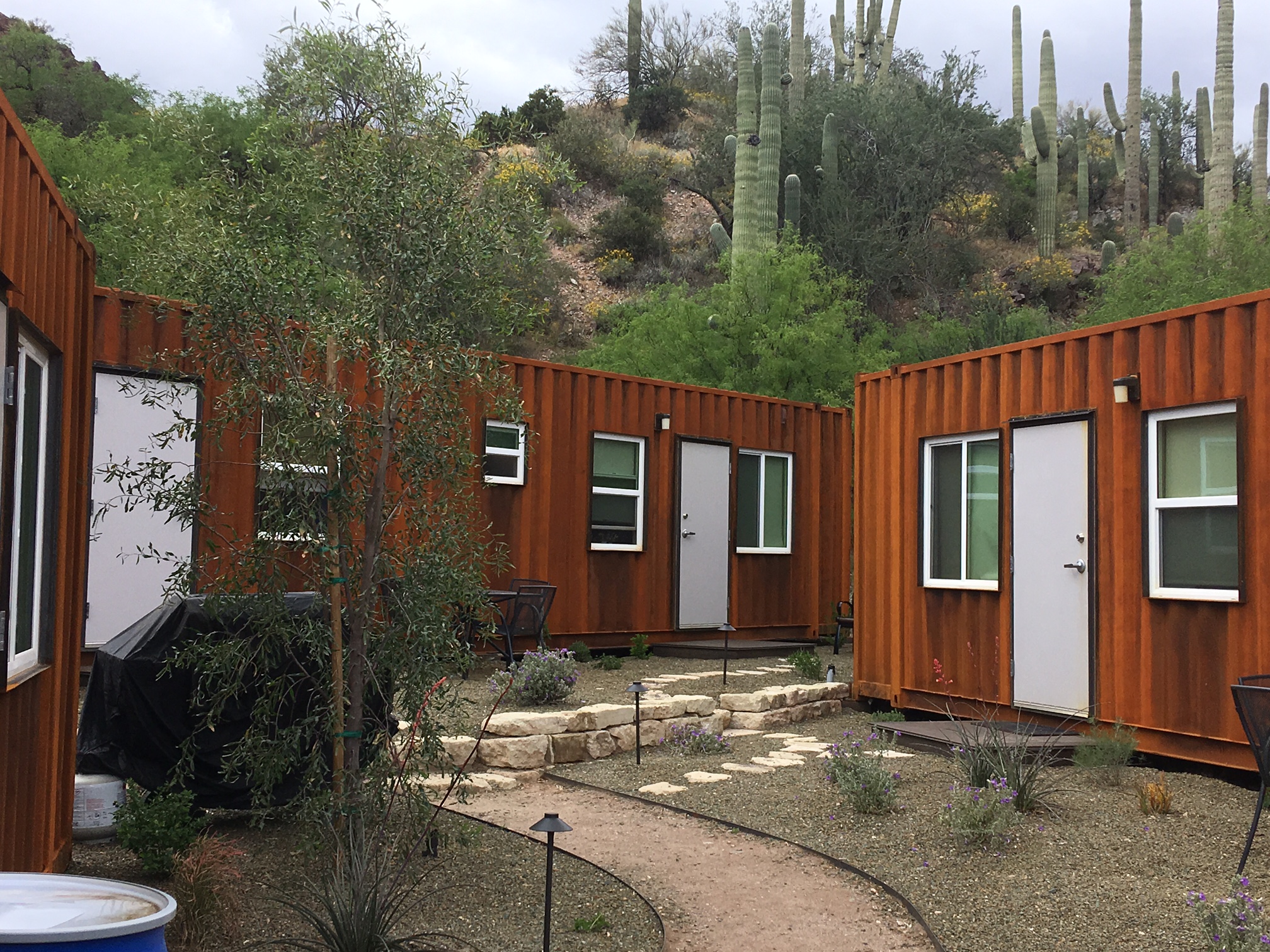
Modular buildings have gained significant attention in recent years as an efficient solution for commercial spaces. As businesses seek cost-effective and time-saving methods to expand their operations, commercial modular buildings have emerged as a viable alternative to traditional construction. This approach not only offers a streamlined building process but also provides flexibility and sustainability, addressing the growing demand for environmentally friendly practices. In this article, we will delve into how commercial modular buildings enhance efficiency, exploring their benefits and the innovative aspects that make them an attractive choice for modern businesses.
Understanding Commercial Modular Buildings
Commercial modular buildings are prefabricated structures that are manufactured off-site in a factory-controlled environment. These structures are then transported to the desired location for assembly. This method significantly reduces the time required for construction, allowing businesses to occupy their new spaces much faster compared to traditional building methods. Learn more in this detailed guide about the construction process and benefits of modular buildings: Read more about this topic.
Key Advantages of Modular Construction
The adoption of modular construction offers several advantages, making it an attractive option for businesses looking to enhance efficiency:
- Time Efficiency: The simultaneous site preparation and off-site construction can reduce project timelines by up to 50%.
- Cost-Effectiveness: Factory-controlled production minimizes material waste and reduces labor costs.
- Design Flexibility: Modular buildings can be easily customized and reconfigured to meet diverse needs.
- Quality Control: Manufacturing in a controlled environment ensures high-quality standards and minimizes the risk of construction errors.
- Sustainability: Modular construction supports sustainable practices by utilizing eco-friendly materials and reducing on-site waste.
Explore further insights here: Find additional information here.
Applications of Commercial Modular Buildings
The versatility of modular buildings allows them to be used across various industries and applications. Some common applications include:
- Office Spaces: Quick and efficient solutions for expanding office space without disrupting daily operations.
- Retail Outlets: Ideal for creating temporary or permanent retail spaces with minimal construction time.
- Healthcare Facilities: Modular units can be rapidly deployed to meet urgent healthcare demands.
- Educational Institutions: Schools and universities can use modular buildings to address space shortages quickly.
Learn more about these diverse applications and how they can benefit your industry: Explore further insights here.
Future of Modular Construction in the Commercial Sector
As the demand for efficient and sustainable building solutions continues to grow, the future of modular construction looks promising. Technological advancements and increased awareness of environmental impacts are driving innovation in this field. Businesses are increasingly recognizing the potential of modular buildings to not only reduce costs and construction time but also to contribute to sustainability goals. Learn more in this detailed guide.
In conclusion, commercial modular buildings present a range of benefits that enhance efficiency, making them a compelling choice for businesses across various sectors. By offering rapid deployment, cost savings, and environmental benefits, modular construction is set to play a significant role in the future of commercial development. For more information on how modular buildings can benefit your business, read more about this topic.
About the Author


