Creating a sustainable landscape is not just an aesthetic choice but a commitment to environmental stewardship. As the world faces increasing environmental challenges, it becomes essential to adopt landscaping solutions that contribute to sustainability. Sustainable landscapes are designed to be environmentally friendly, reduce resource consumption, and enhance biodiversity. This article explores various sustainable landscape solutions applicable to different spaces, be it residential gardens, urban parks, or commercial settings. By embracing these solutions, individuals and communities can significantly impact ecological balance and resource conservation.
Understanding Sustainable Landscaping
Sustainable landscaping involves designing, constructing, and maintaining gardens and green spaces with minimal environmental impact. The goal is to create landscapes that are not only beautiful but also beneficial to the ecosystem. Key components of sustainable landscaping include:
- Minimizing water usage through efficient irrigation systems.
- Utilizing native plants that require less maintenance and resources.
- Implementing organic soil management practices.
- Encouraging biodiversity to support local wildlife.
Explore further insights here about the principles of sustainable landscaping and how they can be applied in various environments.
Implementing Sustainable Solutions in Residential Spaces
Home gardens and residential landscapes are perfect starting points for implementing sustainable practices. Homeowners can make a substantial difference by adopting a few key strategies:
Water Conservation
Efficient water use is crucial for sustainable landscaping. Consider these methods:
- Install drip irrigation systems to deliver water directly to the roots.
- Harvest rainwater for garden use.
- Choose drought-tolerant plants that thrive with minimal water.
Read more about this topic here to discover innovative water management solutions.
Soil Health and Fertility
Maintaining healthy soil is fundamental to sustainable landscaping. Techniques include:
- Using compost and organic fertilizers to enrich the soil.
- Practicing crop rotation and cover cropping to maintain soil fertility.
- Reducing chemical inputs to protect soil organisms and structure.
Find additional information here on enhancing soil health in your garden.
Urban and Commercial Landscaping Strategies
Urban areas and commercial spaces present unique challenges and opportunities for sustainable landscaping. Strategies to consider include:
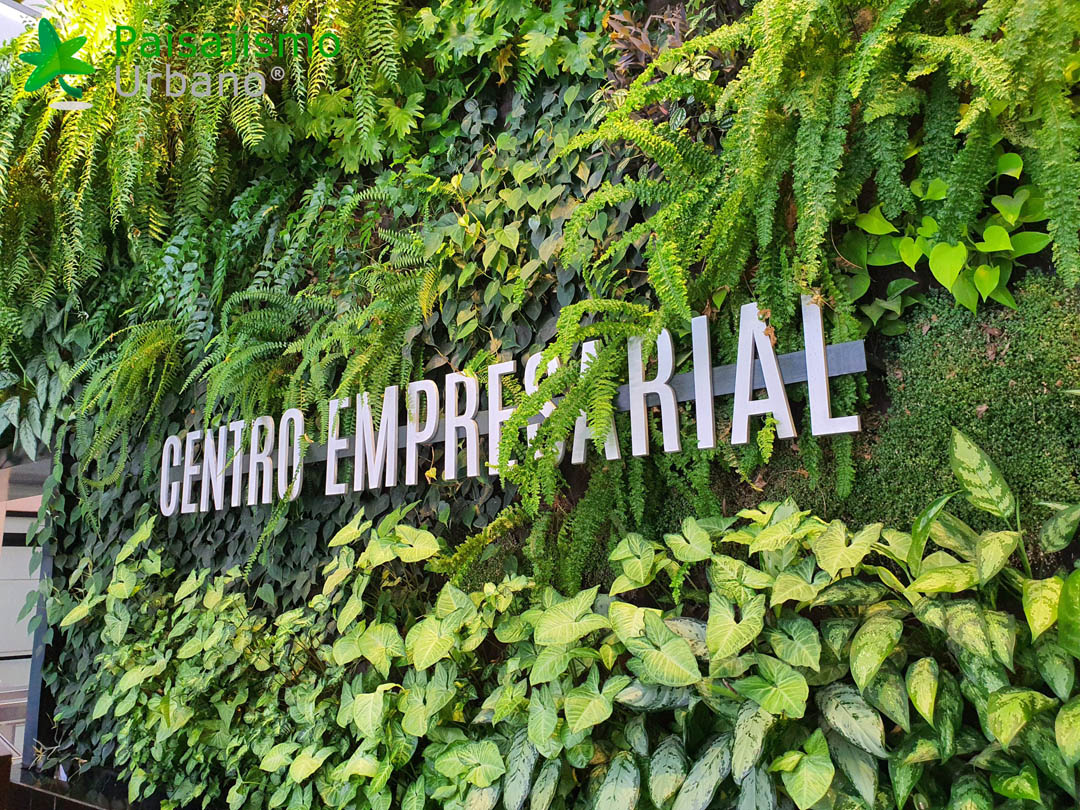
Vertical Gardens and Green Walls
These innovative solutions are ideal for urban environments with limited space. Benefits include:
- Improving air quality by filtering pollutants.
- Providing insulation to regulate building temperatures.
- Enhancing urban biodiversity by offering habitats for various species.
Learn more in this detailed guide about integrating vertical gardens into urban settings.
Green Roofs
Green roofs offer numerous environmental benefits, such as:
- Reducing the urban heat island effect.
- Providing stormwater management by absorbing rainwater.
- Increasing energy efficiency by insulating buildings.
Explore further insights here on the advantages of implementing green roofs in commercial architecture.
Conclusion
Sustainable landscape solutions are critical for conserving resources and promoting ecological balance. Whether it’s through water conservation, soil health, or innovative urban strategies like vertical gardens and green roofs, there are numerous ways to contribute to a healthier environment. By adopting these practices, individuals and communities can play a vital role in fostering a sustainable future. Learn more in this detailed guide about how to implement sustainable landscaping practices in diverse settings.
About the Author