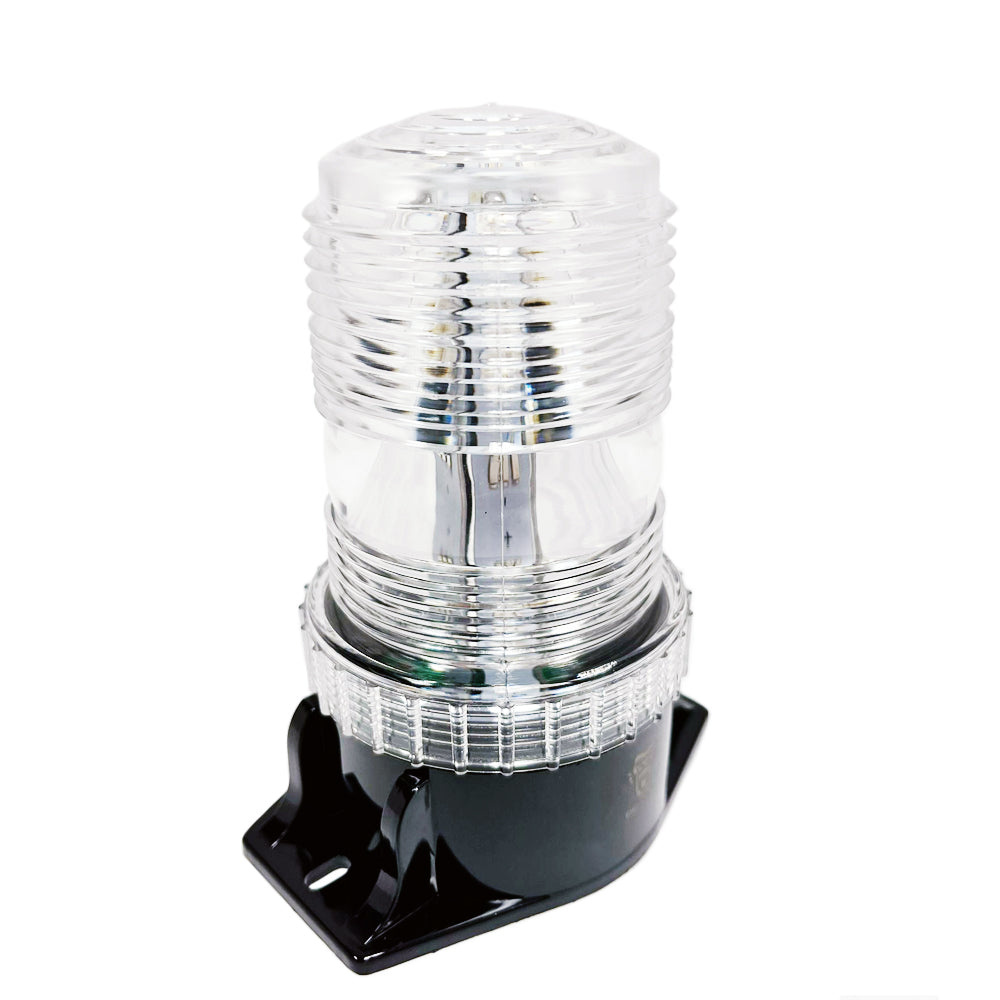
In today’s fast-paced industrial environments, safety remains a paramount concern. With forklifts being a crucial component of many operations, implementing effective safety measures is essential. One such measure that has proven to be indispensable is the use of forklift strobe warning signals. These signals are not only about compliance with safety regulations but also about enhancing awareness and preventing accidents. The integration of these signals can significantly improve safety outcomes and operational efficiency. To understand their importance and application, it’s crucial to delve deeper into their benefits and implementation strategies.
Understanding Forklift Strobe Warning Signals
Forklift strobe warning signals are designed to alert both operators and pedestrians to the presence and movement of forklifts in the vicinity. These signals are typically bright and highly visible, making them effective even in poorly lit environments. The primary function of these signals is to increase safety by providing a clear, visual cue that a forklift is operational and nearby.
Key Features of Forklift Strobe Warning Signals
- High visibility in various lighting conditions.
- Durable construction suitable for industrial environments.
- Easy installation and maintenance.
- Compatibility with various forklift models.
For those looking to enhance workplace safety, discover expert strategies here that detail how to effectively implement these warning signals.
Benefits of Using Forklift Strobe Warning Signals
Integrating strobe warning signals into forklift operations brings a multitude of benefits, including:
- Enhanced Safety: The primary benefit is the significant reduction in accidents and near-misses. Strobe lights make forklifts more noticeable, thereby reducing the risk of collisions.
- Improved Operational Efficiency: With clear visibility, operators can navigate more confidently, leading to smoother operations and reduced downtime.
- Regulatory Compliance: Many safety regulations require the use of visual warning signals in industrial vehicles. Implementing strobe lights ensures compliance and avoids potential fines.
- Increased Awareness: Even in noisy environments where auditory signals might be missed, visual strobe signals effectively alert workers to the presence of forklifts.
To explore advanced guides and tips on implementing these safety solutions, find out more about this approach.
Implementing Forklift Strobe Warning Signals
Effective implementation of forklift strobe warning signals involves several key considerations:
Assessment of Workplace Needs
Before installation, assess the specific needs of the workplace. Consider factors such as:
- The size and layout of the facility.
- Areas with high pedestrian traffic.
- Existing safety measures and their effectiveness.
Selection of Appropriate Strobe Signals
Choose strobe signals that best fit the operational requirements. Consider aspects like brightness, color, and mounting options. For more tailored solutions, learn about our tailored solutions.
Installation and Maintenance
Proper installation is critical to ensure the effectiveness of strobe signals. Regular maintenance checks are also essential to ensure they remain operational. Include strobe lights in routine safety inspections.
Conclusion
Forklift strobe warning signals are a vital component in enhancing safety and awareness in industrial settings. By providing a clear visual alert, these signals help prevent accidents, ensure compliance, and improve overall operational efficiency. For businesses looking to prioritize safety, integrating these signals is a step in the right direction. To further explore their applications and benefits, explore advanced guides and tips on effective implementation and maintenance strategies.
About the Author


